
Walk into most special schools in India and you will see children being taught to read short stories, solve arithmetic problems, and write sentences. These are academic skills — but for a child with autism, Down syndrome, or intellectual disability, they may never be the most important skills to learn.
Functional academics is different. It teaches children what they actually need to live.
What Is Functional Academics?
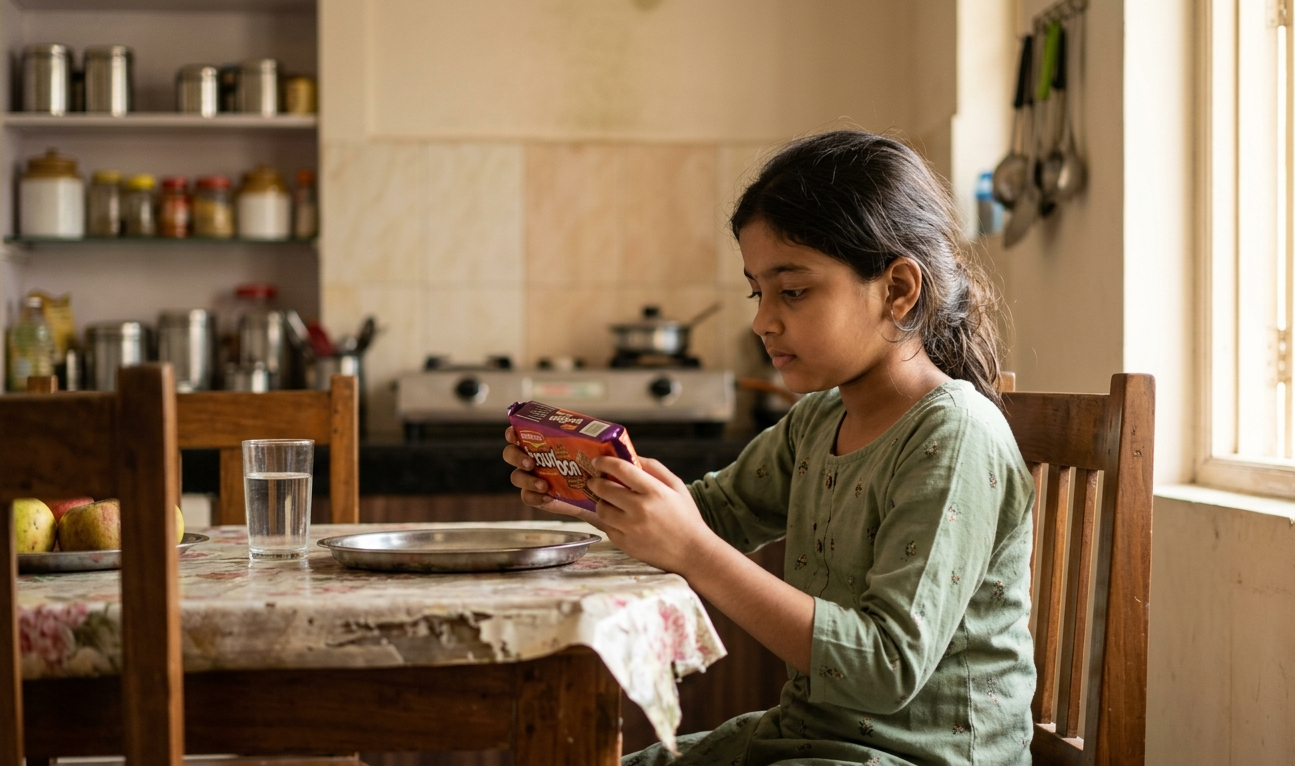
Functional academics refers to teaching academic skills — literacy, numeracy, communication — in the context of real life. Instead of reading a textbook passage, a child reads a food label. Instead of doing abstract addition, they count out money at a shop. Instead of writing an essay, they fill in a simple form.
For children with autism, Down syndrome, cerebral palsy, and intellectual disability, functional academics builds the practical skills that lead to independence — at home, in the community, and eventually in supported work.
Why Traditional Academics Often Fall Short
Traditional school curriculum in India is designed for neurotypical children who will go on to higher education. For children with special needs, this curriculum is often inaccessible — not because they cannot learn, but because the skills being taught have no immediate relevance to daily life.
A child with intellectual disability who can read “the cat sat on the mat” but cannot read the word “exit” on a door is not gaining functional literacy. A child who can solve 47 + 28 but cannot count coins at a chai shop is not gaining functional numeracy.
The Four Domains of Functional Learning
At Able Marga, functional academics is structured across four domains:
- Life Skills — daily routines, self-care, hygiene, meals, home safety
- Functional English — reading signs, labels, sight words, simple forms and menus
- Functional Maths — money, time, quantities, and real-life numbers
- Social and Communication Skills — requesting, turn-taking, greetings, community interaction
How to Implement at Home
You do not need to be a special educator to teach functional academics at home. A structured printable curriculum gives you everything you need — what to teach, how to teach it, and how to measure whether it is working.
Start with one worksheet per day. Use the word cards around your home. Connect the learning to real situations — the morning routine, the market visit, the mealtime. Over a year, the cumulative effect is a child who can navigate daily life with far greater confidence and independence.
Explore India’s first structured functional academics curriculum at ablemarga.com.