One concept at a time
A single page can focus on one routine, one maths idea, one word set or one communication skill, reducing unnecessary switching between tasks.
All four Level 1 subjects are live — structured printable PDFs for functional learning. Explore Level 1 →
Able Marga offers ability-based printable activities for children who benefit from clear instructions, low visual clutter and manageable practice. Families, educators and therapists can use one focused activity at a time without turning learning into a long worksheet session.
Level 1 is live across Life Skills, Functional Maths, Functional English and Social & Communication Skills. Choose the subject that matches the learner’s current goal, then repeat or move forward at a comfortable pace.
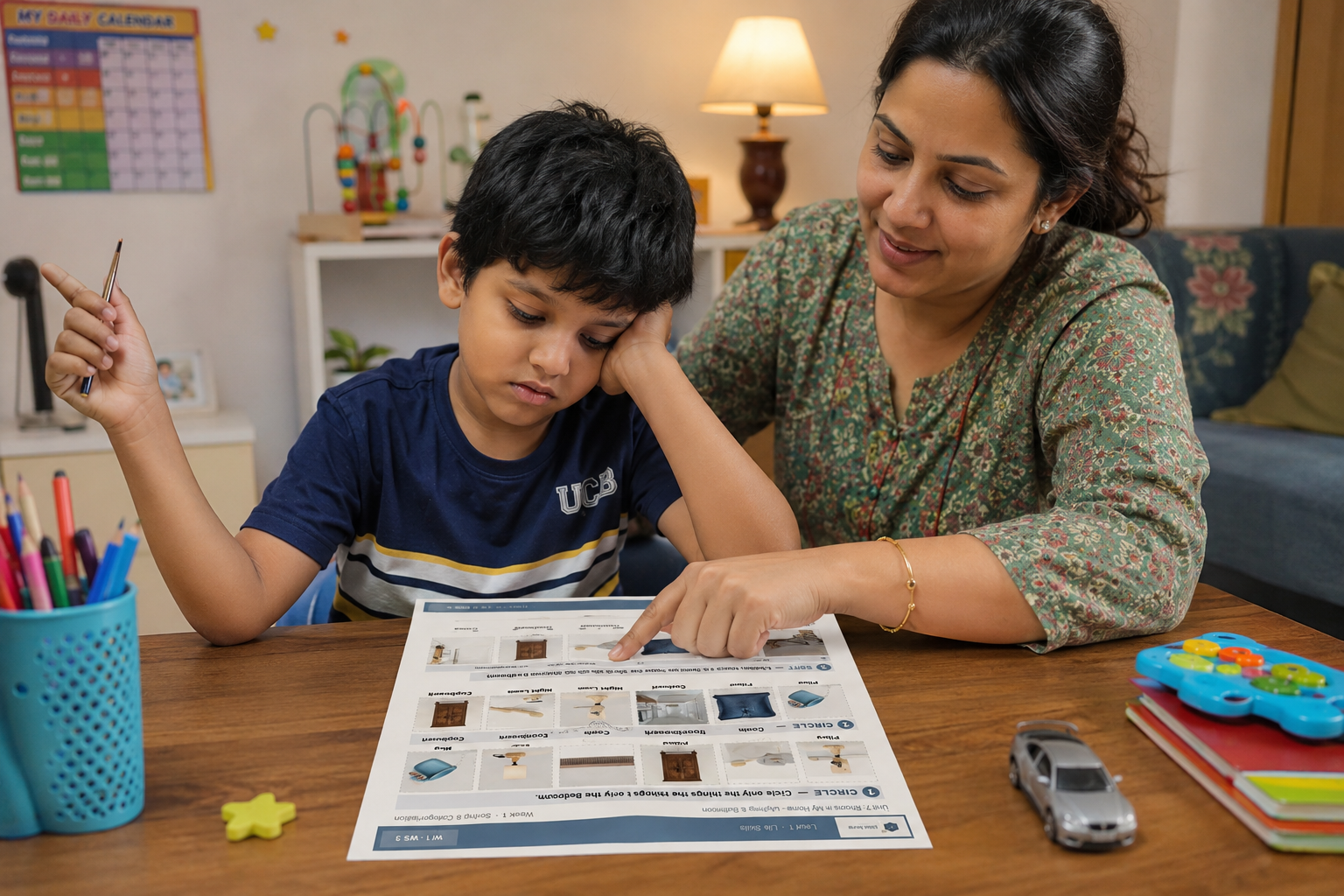
Able Marga keeps each activity visually focused and easy to understand. Instead of asking the learner to work through a crowded page, you can select one skill, complete one clear task and decide whether to continue or stop.
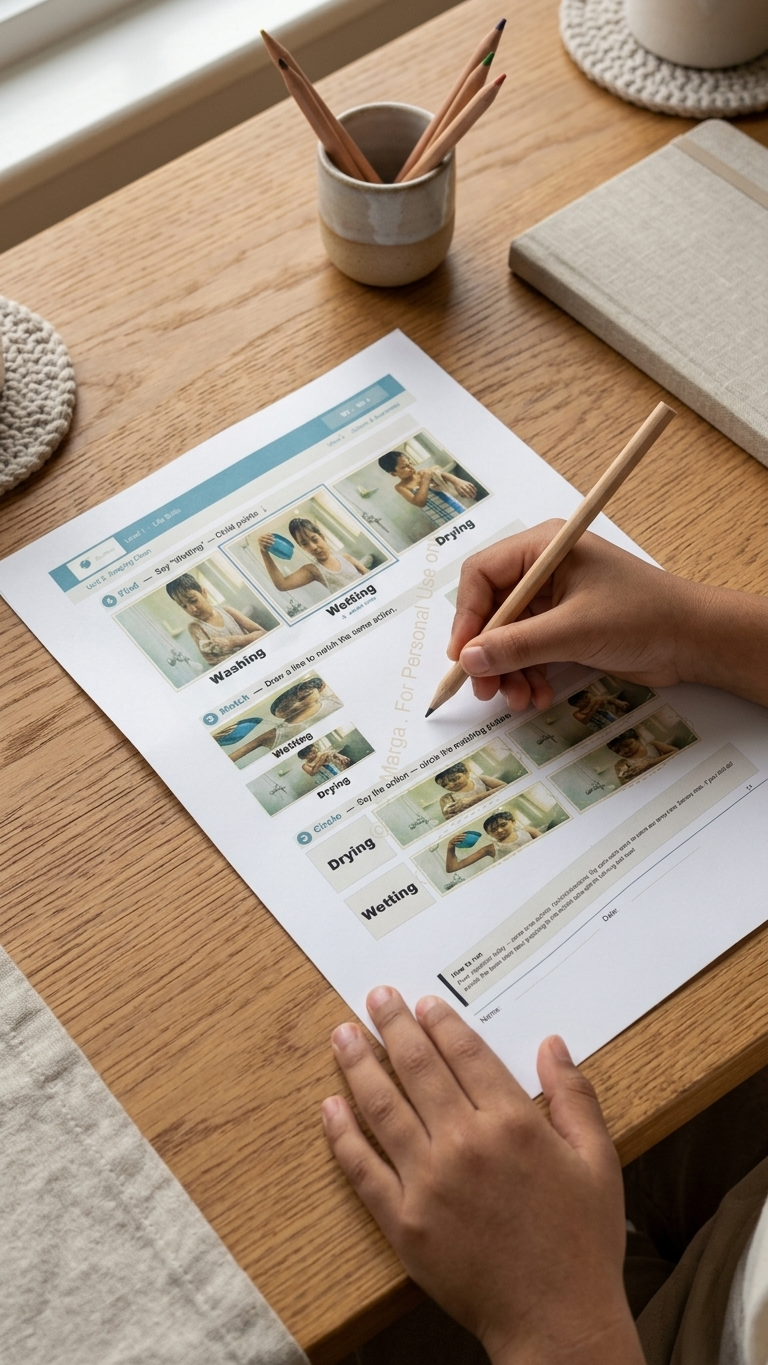
A single page can focus on one routine, one maths idea, one word set or one communication skill, reducing unnecessary switching between tasks.
Directions stay simple enough to show, model or repeat without turning the activity into a long verbal explanation.
Depending on the activity, the learner may point, match, circle, trace, write or use picture/AAC supports rather than relying on one response method.
Finish one useful activity and pause. A short successful session can be repeated later instead of forcing several pages at once.
Choose work by the learner’s current functional skill level, not only by age or school class, and move forward when the foundation is ready.
There is no need to begin every subject at once. Start with the learner’s most useful current goal, then add another area when the routine feels familiar.
Morning routines, hygiene, dressing, meals, helping at home, asking for help and familiar community places.
Explore Life Skills →Practical visual maths including same/different, sorting, shapes, counting real objects and recognising coins and notes.
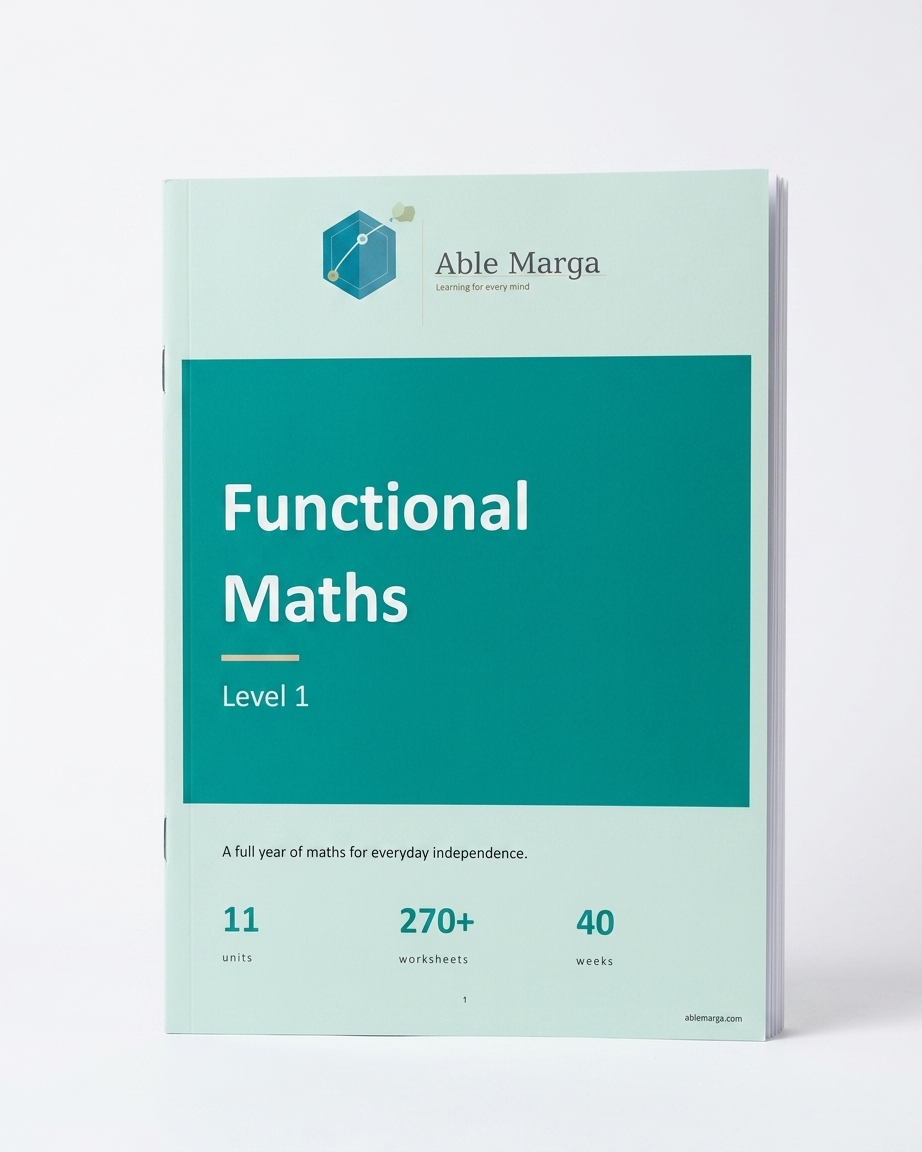
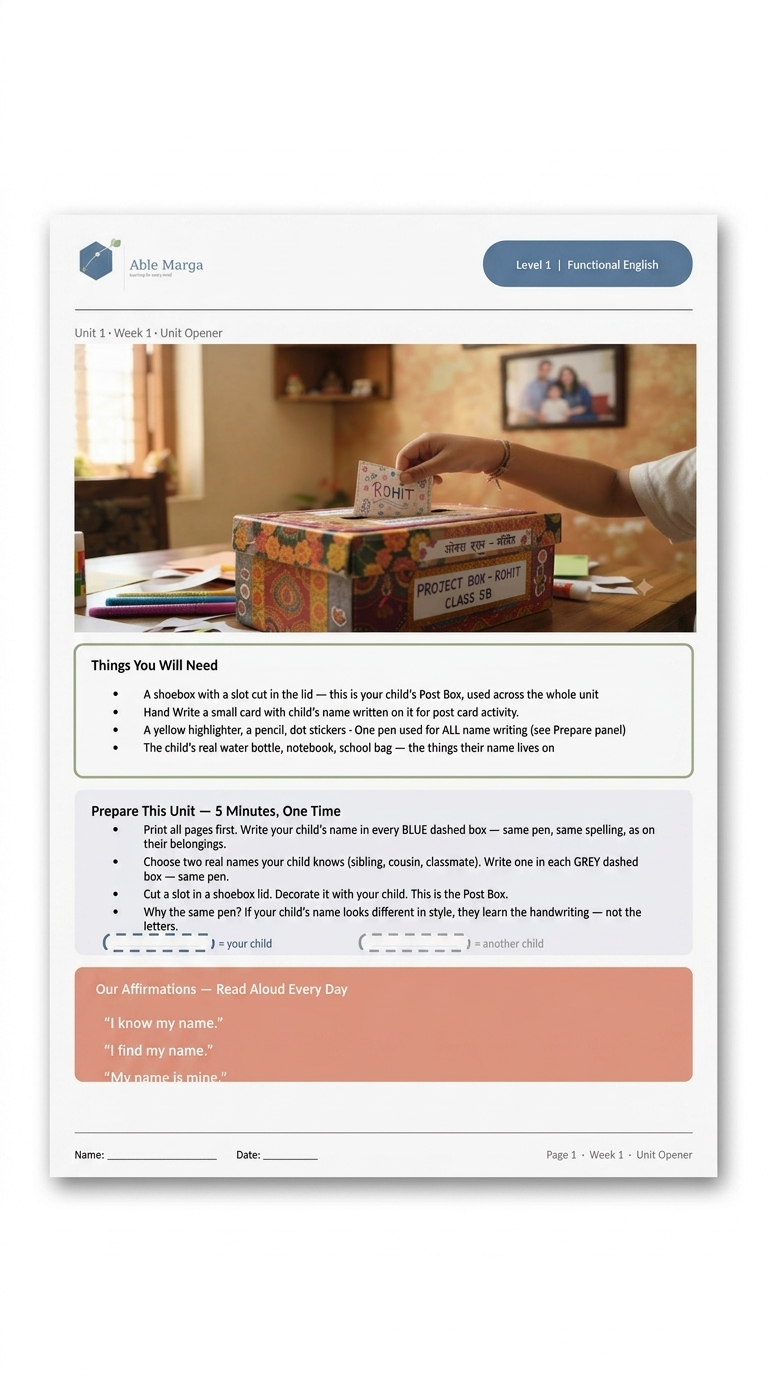
Explore Functional Maths →Name recognition, first words, sight words, action words, signs, symbols, colour words and picture reading.
Explore Functional English →Greetings, requesting, choices, feelings, action words, WH questions, sequencing, turn-taking and AAC-friendly picture supports.
Explore Social & Communication →For an ADHD learning page, the best starting point is not “do more worksheets.” It is choosing one functional skill that matters today and making the first practice session easy to understand.
Use Life Skills for a practical sequence such as getting ready, hygiene, meals or asking for help. Familiar routines make the purpose of the activity easier to understand.
View Life Skills Level 1 →Functional Maths can be used for visual concepts, counting real objects, comparing, sorting and early money recognition without making the session feel like a long maths worksheet.
View Functional Maths Level 1 →Social & Communication resources cover greetings, requesting, choices, feelings and WH questions with picture-based and AAC-friendly options.
View Social & Communication →See how the learner responds to Able Marga’s page structure and visual style before purchasing a complete Level 1 curriculum.
Get a free worksheet →The materials are digital PDFs, so you can prepare one page for a short home session or print a larger set for school, therapy or planned practice.
Select the Level 1 area that matches the learner’s present functional goal.
Purchase the digital resource through Able Marga’s website.
Use the delivery details sent to your email and available through your account.
Prepare one activity, one unit or the pages required for the current session.
A parent may use one page at home, while a teacher or therapist can use related activities around the same skill. Keep the goal consistent and adjust the amount of work to the learner’s response.
Use the page as a starting guide for choosing and pacing printable activities. The goal is useful, achievable practice rather than completing the largest possible number of pages.
Start with one clear goal and one page. Keep unrelated materials off the workspace, explain or show the expected response, and stop after a useful success if the learner has had enough. The same page can be revisited later instead of completing a long set in one sitting.
No. The Level 1 curriculum includes Life Skills, Functional Maths, Functional English and Social & Communication Skills. Depending on the activity, a learner may point, match, circle, trace, write, identify pictures or use AAC-friendly supports.
Choose the most useful current goal rather than trying to begin every subject together. Life Skills can support routines and independence, Functional Maths focuses on practical numeracy, Functional English builds useful word recognition, and Social & Communication Skills supports everyday communication.
Yes. They are designed as printable learning resources that can be used at home, in school or in therapy. If a learner already has professional or school goals, choose activities that complement those goals and coordinate with their educator or therapist when helpful.
Use the Ability-Based Placement Guide and look at the learner’s current skills subject by subject. A child may be at different levels in different areas. If you are unsure between two levels, beginning with the easier starting point can help establish confidence before moving forward.
Choose a Level 1 subject that matches the learner’s present goal or try a free worksheet first. Keep the first session short, clear and achievable, then build from there.