Skip to content

Level 1 worksheet sets are live — instant PDF download. New subjects & levels dropping soon. Shop Level 1 →

Need help choosing?
Functional, ability-based learning

Functional worksheets and curriculum for intellectual disability

Able Marga provides an ability-based printable curriculum for children and older learners with intellectual disability. Lessons prioritise practical independence—daily routines, safety, money, useful maths and communication—over age-based academic expectations.

Learners respond by pointing, matching or placing cards, with small steps, errorless prompts and instant reprintable PDFs for home, therapy or school.

Daily routines Personal safety Money skills Communication
Choose by present ability—not age

Older learners can begin at a foundational level without being given childish or irrelevant academic goals.

No reading or writing required Practical independence goals Instant printable PDF
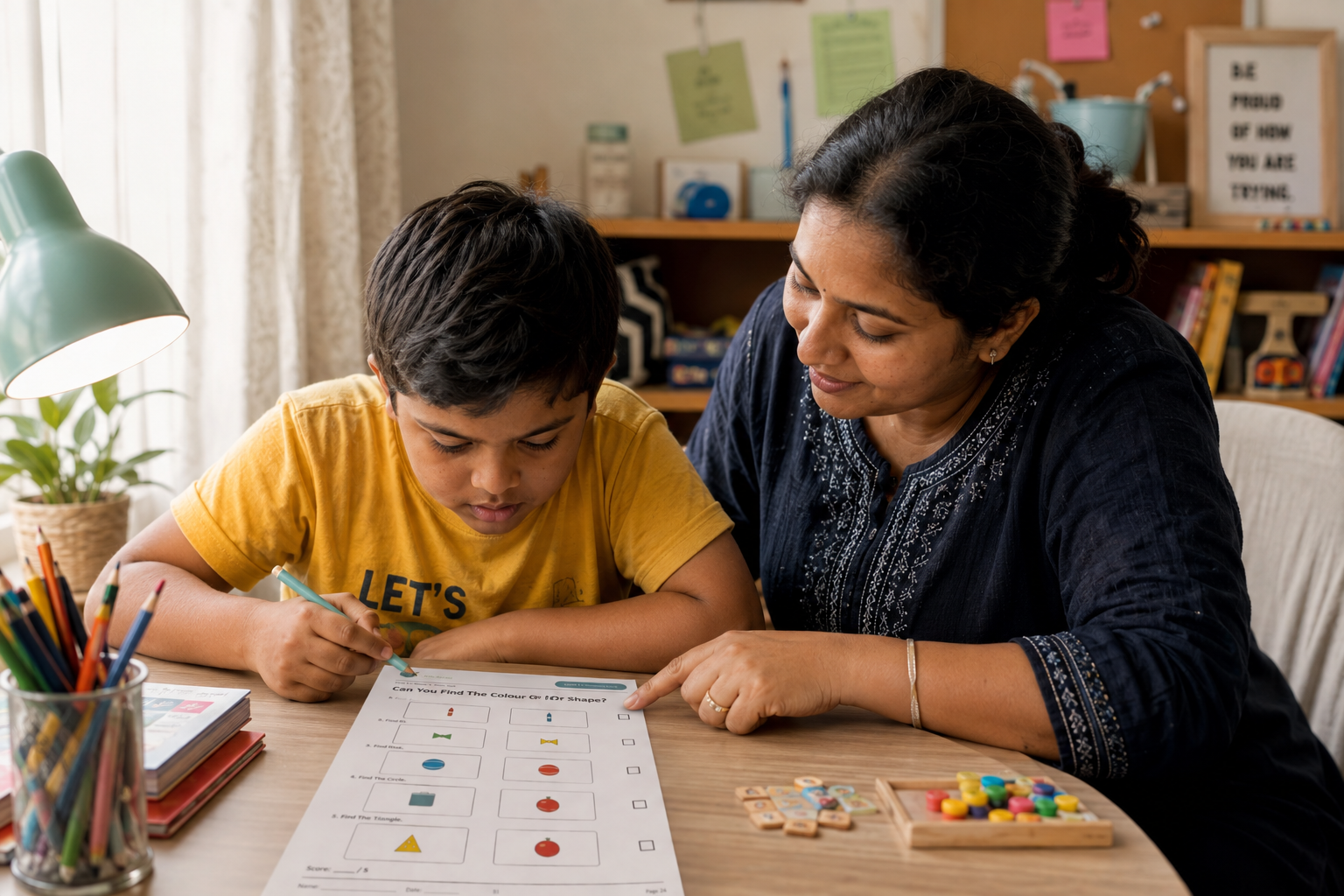
Students taking part in structured learning activities at So-Hum School
Learning with a practical purpose Skills that can be used beyond the worksheet.
The learning path
Learn Practise Use independently
Real-life first Home · Classroom · Community
Functional learning first

Skills that support greater everyday independence

Able Marga prioritises useful skills the learner can apply at home, school and in the community. Activities begin at the learner’s current functional ability and progress in clear, achievable steps.

Ability-based progression

Begin where the learner is—not where their age says they should be

A child, teenager or adult learner can begin with foundational matching, safety, routine or communication skills. Progress is based on demonstrated understanding and independence rather than age, school class or a fixed timetable.

Current ability What can the learner do now?
Next useful step What would increase independence?
Practice Repeat until the skill is secure
01

Daily living routines

Break personal care, home routines and familiar daily activities into smaller steps the learner can practise and use repeatedly.

Hygiene Getting ready Home routines
02

Safety and asking for help

Practise recognising trusted people, responding to common situations and communicating when support is needed.

Safe person Help seeking Awareness
03

Functional maths and money

Build matching, sorting, quantity and money-related understanding around decisions the learner may encounter in everyday life.

Matching Quantity Money
04

Useful communication

Strengthen recognition of people, objects, words and practical messages without requiring long reading or written answers.

Picture words Choices Requests
Real-world transfer

The worksheet is the practice—not the final goal

After a learner practises a concept on paper, use the same skill during an actual routine, conversation, purchase or community activity. Learning becomes more meaningful when it connects with a real purpose.

1 Learn visually

Introduce one concept.

2 Practise with support

Prompt a successful response.

3 Use in real life

Apply it during a routine.

Support gradually reduces

Help the learner succeed, then step back

Errorless prompts reduce guessing. Prompt fading gradually moves the learner from supported responses toward greater independence.

Explore the teaching method
Recommended starting points

Start with the skill that would make the biggest everyday difference

Choose one functional priority rather than trying to cover every academic subject at once. Begin at an achievable level, repeat the activity and practise the same skill in real life.

Find the right functional level
Recommended first Able Marga Life Skills Level 1 printable curriculum
01
Independence and safety Life Skills Level 1

Begin with a daily routine or asking for help

Select a skill the learner encounters regularly—personal care, getting ready, recognising a Safe Person or asking for help. Daily repetition makes it easier to connect the printable activity with an actual situation.

Follow familiar routine steps

Recognise when support is needed

Practise safer everyday responses

Why start here?

An everyday skill provides frequent natural opportunities for practice beyond the worksheet.

Explore Life Skills
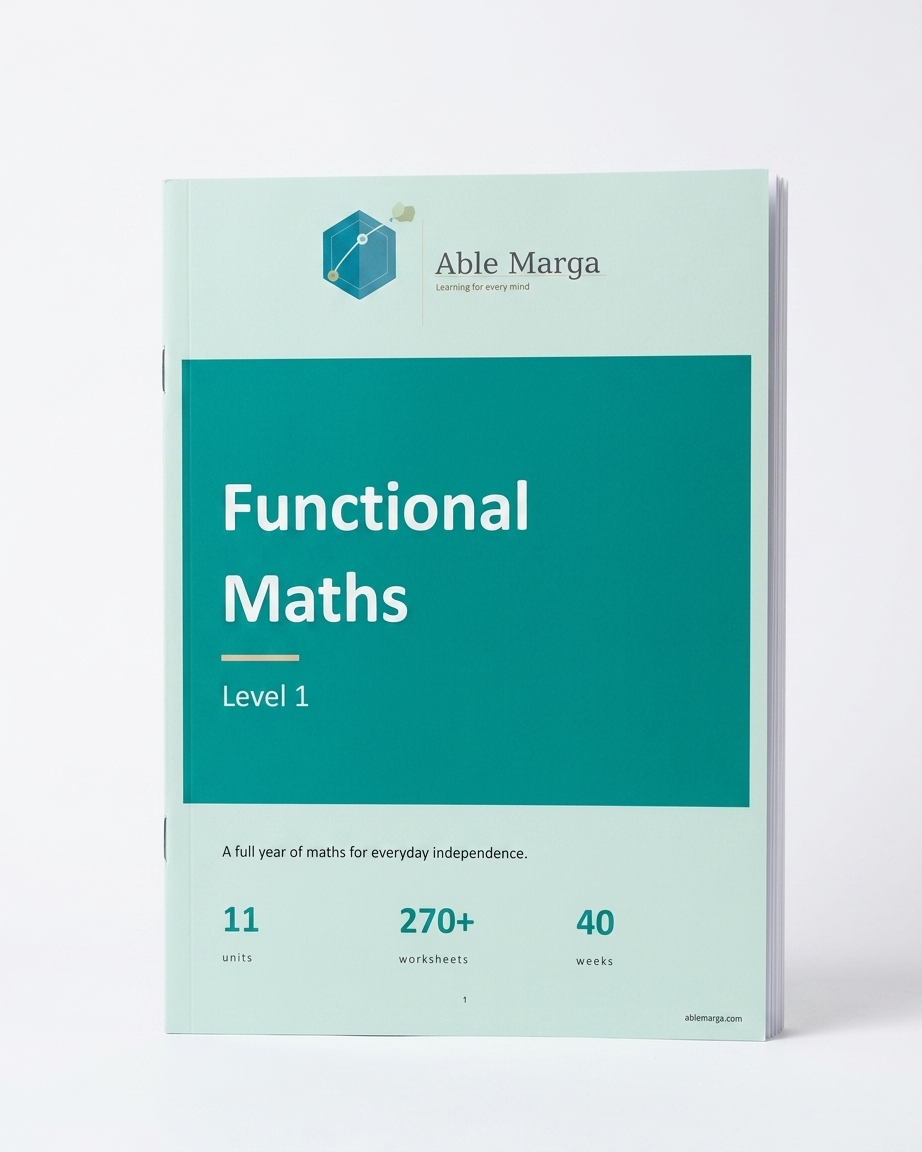
Practical maths Able Marga Functional Maths Level 1 printable curriculum
02
Useful early foundations Functional Maths Level 1

Build matching and sorting before money skills

Start with matching, sorting and recognising quantities before expecting the learner to calculate or use money. These foundations support later decisions such as comparing items, counting and understanding simple purchases.

Match identical or related objects

Sort using useful categories

Prepare for quantity and money concepts

Why start here?

Foundational visual maths creates the base for practical number and purchase-related skills.

Explore Functional Maths
Able Marga Life Skills printable workbook and activity pages Free starter
03 Try the worksheet format

Begin with one free Level 1 activity

Download a free worksheet and observe which response method works best—pointing, matching or card placement. Check how much adult support the learner needs before choosing a complete curriculum.

No payment required Instant printable PDF Use at home or in a session
Choosing the next skill

Ask: “What would help the learner do more independently?”

Use the answer to select a subject, unit and level. Functional impact is more important than following an age-based academic sequence.

Ask us for guidance
What you receive

A practical curriculum, ready when you are

A print-ready PDF delivered instantly to your account and email. Print at home, in sessions or in class, as many times as you need for your own child or students. INR pricing; download once, use anywhere in the world.

Digital curriculum Print-ready PDF
PDF
Delivery Account + email
Access After checkout
Paper Standard A4
Location Use worldwide
No physical delivery required See how delivery works
01

Structured learning sequence

Activities move from foundational responses toward more functional use without expecting the learner to complete age-based academic work first.

02

Printable visual materials

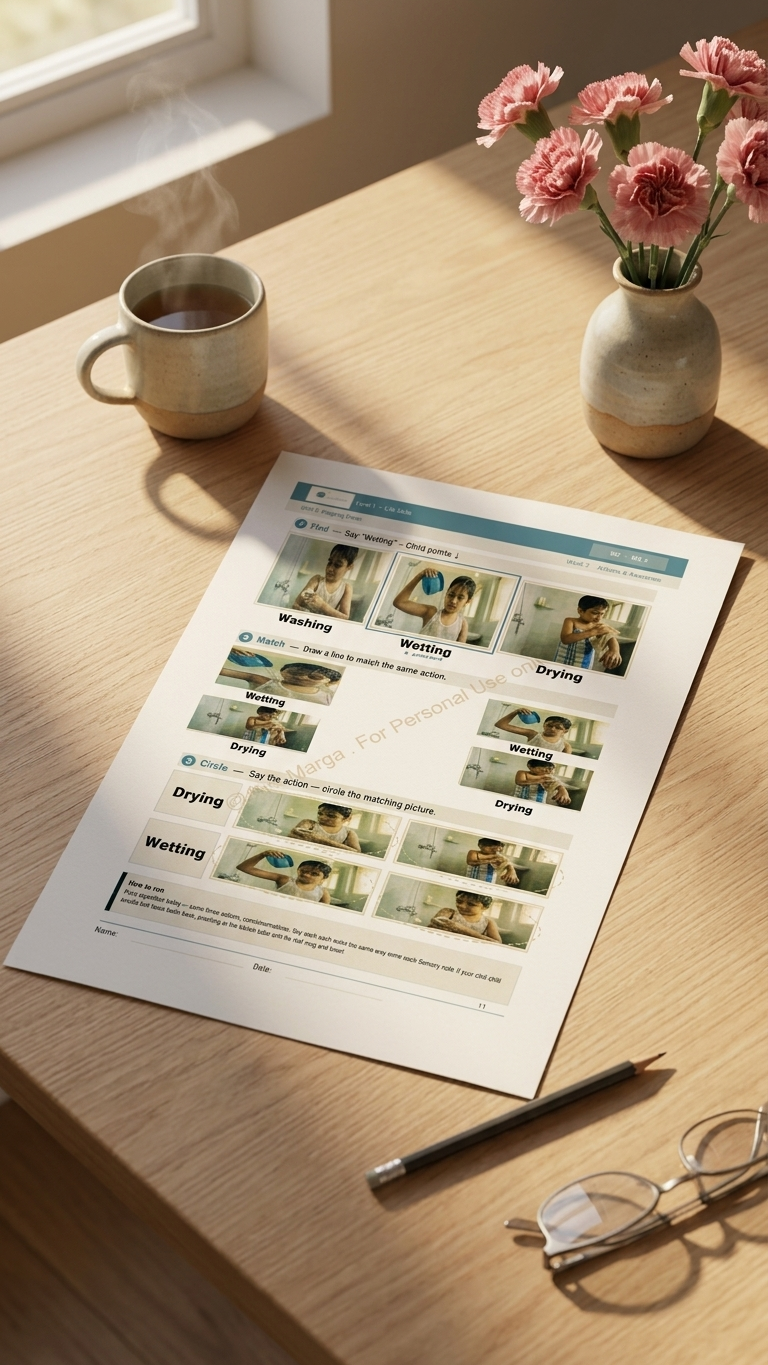
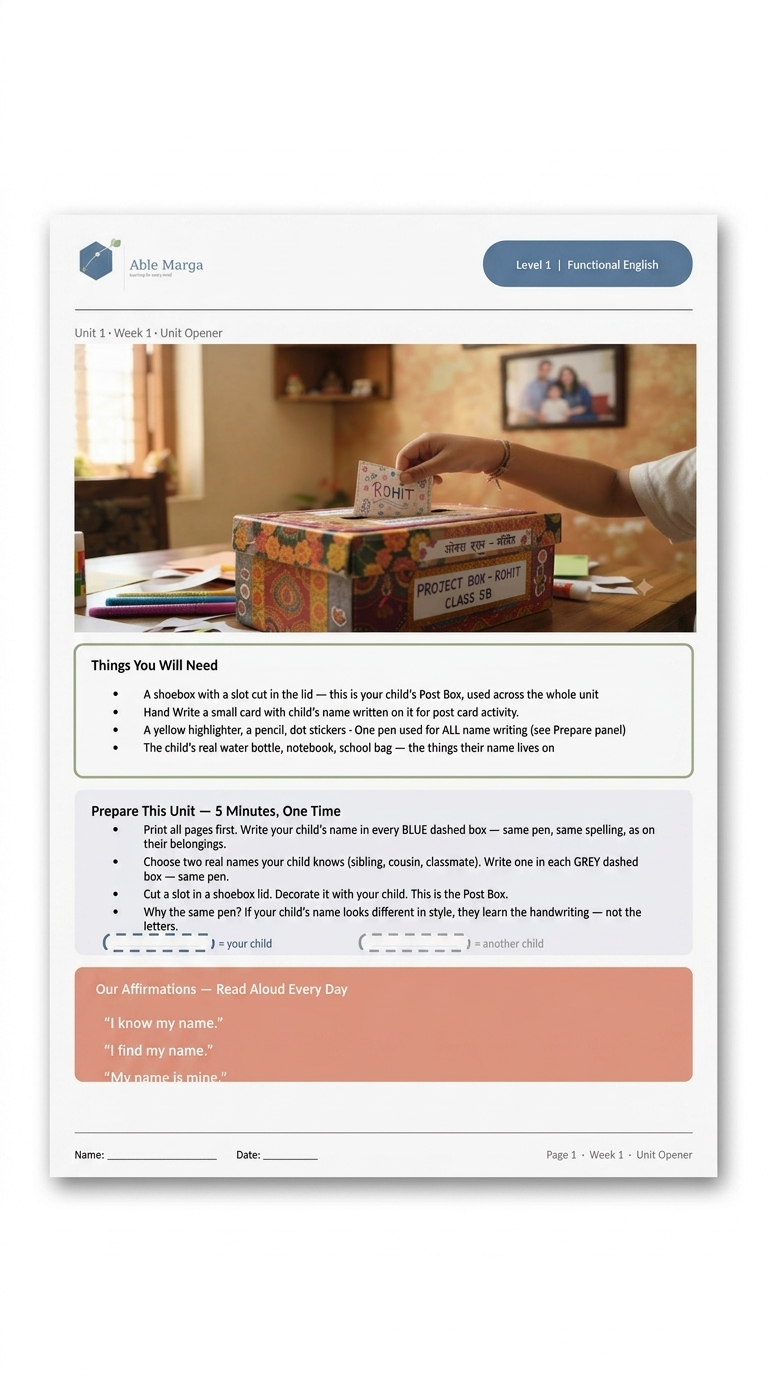
Use worksheets, picture-based activities and matching materials for pointing, sorting and card-placement responses.

03

Adult guidance and prompts

Clear support notes help parents and professionals introduce the task, prompt success and gradually reduce assistance.

04

Flexible repeat printing

Reprint selected pages for revision, additional practice or use with your own students without buying the resource again.

Simple digital delivery

Choose, download and begin

1 Choose a functional priority

Select a subject and suitable level.

2 Complete secure checkout

Purchase the digital curriculum online.

3 Receive the PDF

Access it through your account and email.

4 Print selected pages

Begin with one achievable activity.

Personal and classroom use: Reprint for your own child or your own students. Please do not share or redistribute the original PDF outside your home or class.

Browse all resources
Intellectual disability curriculum FAQ

Choosing practical goals, levels and subjects

Answers for families and professionals choosing ability-based, functional learning materials for children, teenagers and older learners with intellectual disability.

01 What is a functional curriculum for intellectual disability?

A functional curriculum teaches skills that increase participation and independence in everyday life. It may include personal care, routines, safety, communication, matching, quantity, money and community skills. Academic concepts are taught when they support a practical purpose rather than only because they appear in an age-based syllabus.

Example

Learning to recognise money for a simple purchase is a functional maths goal.

02 My child is older but working at an early level—will this fit?

Yes. Able Marga levels are based on present functional ability, not chronological age or school class. An older learner can begin with foundational matching, communication, safety or routine skills and progress when those responses become more confident. Use the placement guide to identify an achievable starting level.

Use the placement guide
03 Which subject helps most with independence?

Life Skills is usually the strongest first subject because it covers routines, personal care, safety and asking for help. Functional Maths becomes important for sorting, quantities and money, while Functional English supports recognition and useful communication. Choose the subject linked to the learner’s most immediate everyday priority.

Build independence one skill at a time

Start with a practical goal the learner can use in real life

Choose Life Skills for routines and safety, Functional Maths for quantities and money, or try one free worksheet before selecting a complete Level 1 curriculum.

Ability-based levels No reading or writing required Instant PDF delivery Reprint when needed

Not sure which functional skill or level should come first?