Teach one concept at several functional levels
One learner may point, another may match, and another may label or explain the same underlying concept.
All four Level 1 subjects are live — structured printable PDFs for functional learning. Explore Level 1 →
Able Marga gives special educators structured, visual learning activities that can be used with mixed-ability groups while keeping the classroom routine familiar and predictable.
Keep the learning target consistent, then adjust the number of choices, prompt level, response method and pace for each learner. The four live Level 1 subjects cover Life Skills, Functional Maths, Functional English and Social & Communication Skills.

Mixed-ability classrooms work better when the visual routine stays familiar but the demand changes for each learner. Able Marga lets the educator keep the topic stable while adjusting how much support is given and how the learner shows understanding.

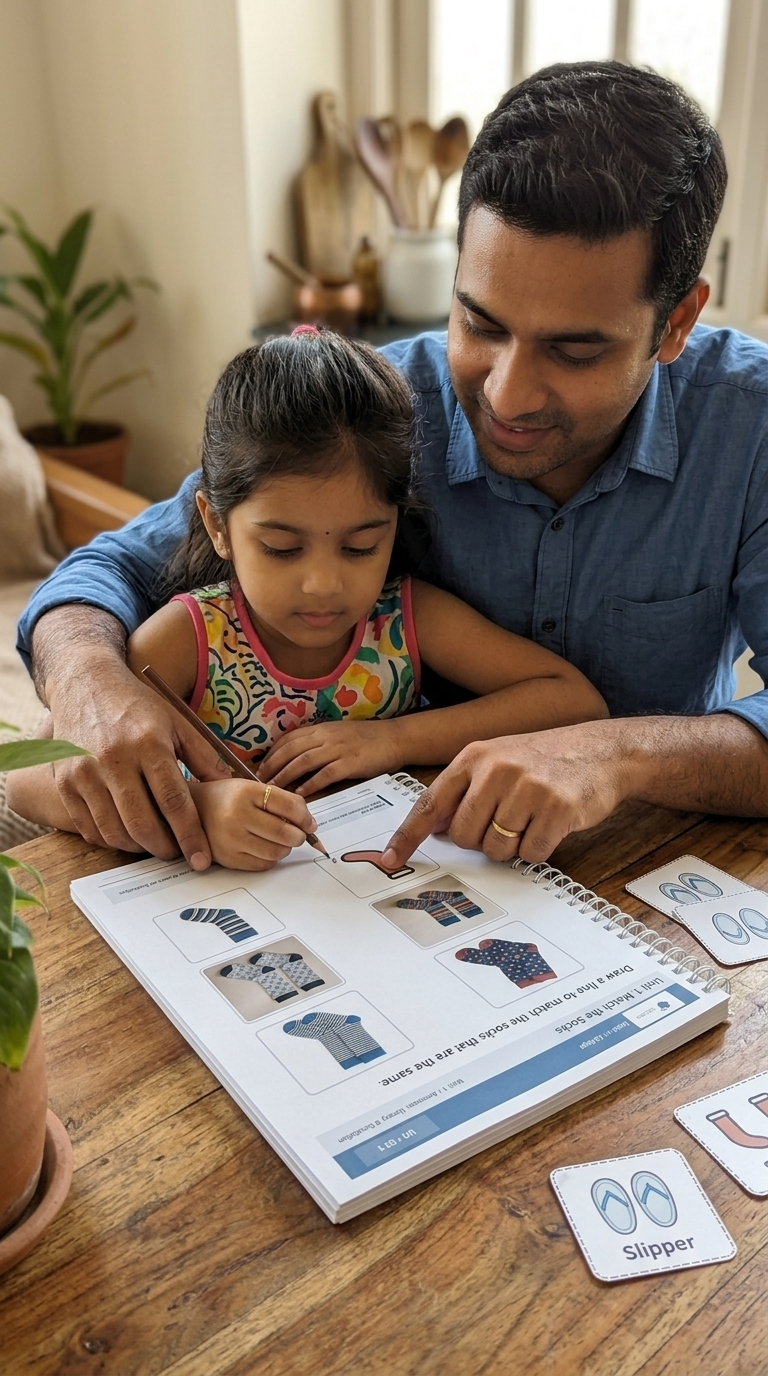
One learner may point, another may match, and another may label or explain the same underlying concept.
Consistent page layouts and response patterns reduce unnecessary change between activities and subjects.
Start from a prepared visual activity, then make only the adaptations that your group actually needs.
Move beyond isolated worksheet completion toward routines, communication, useful literacy and everyday numeracy.
Revisit an appropriate task and note response method, prompt level and independence across repeated practice.
Instead of preparing four unrelated activities for one group, use one functional theme and change the demand. The examples below show how the same concept can be opened to learners with different access needs.
Offer a small visual field and accept a clear look, point or touch toward the target.
Use picture or word cards so the learner can match, sort or place the answer rather than write.
Increase the number of options and ask the learner to choose, name or identify the relevant item.
Ask the learner to use the same idea with new materials, a real routine or a classroom situation.

Keep the planning process practical: choose the useful skill first, decide how each learner can access it, teach with enough support for participation and review what changed.
Choose a clear goal such as matching, requesting, sequencing a routine, recognising a sign or identifying quantity.
Change the number of choices, card size, visual field, prompt level or response method before the group begins.
Model or prompt the correct response when needed, then reduce support as the learner becomes more consistent.
Note the response and support required, then check the same skill with different materials or in a real classroom routine.
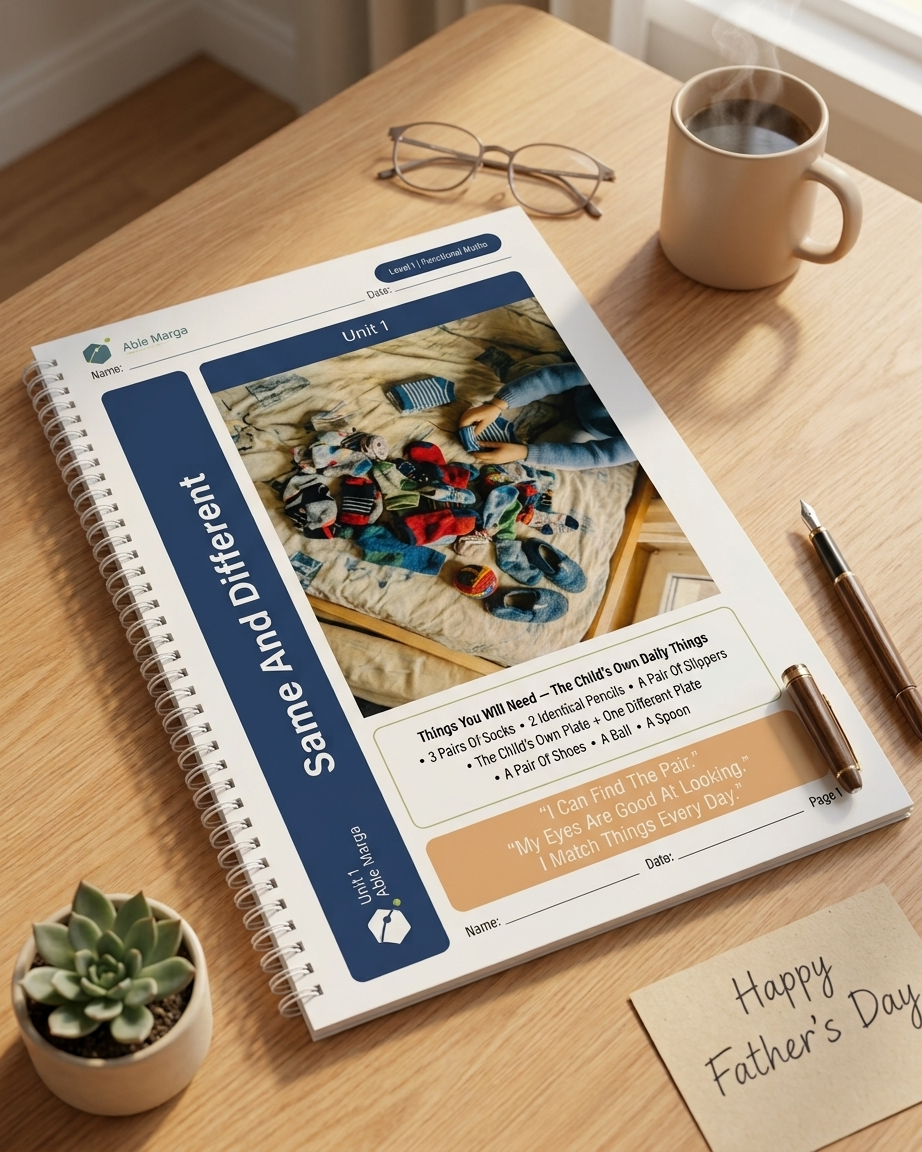
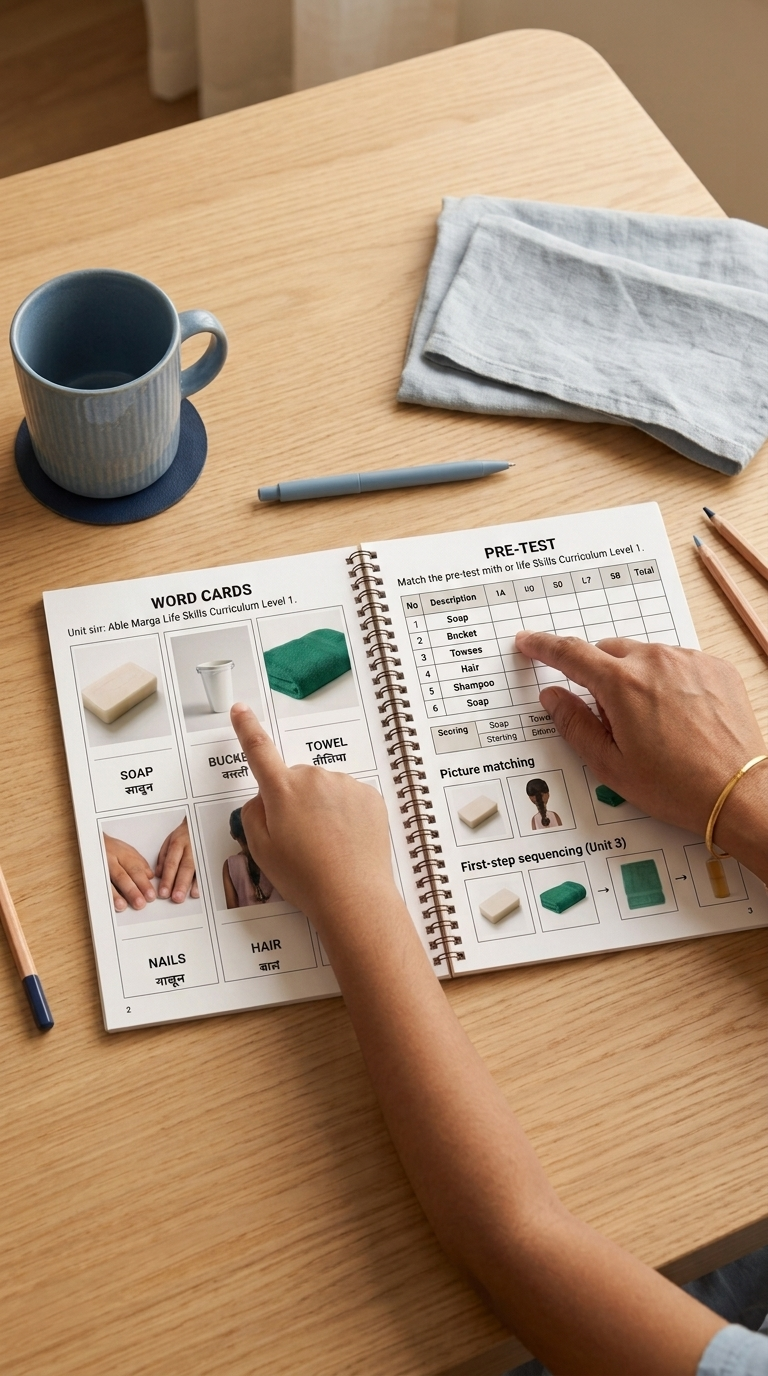
Use the subjects together instead of treating them as isolated academic areas. Communication, daily living, useful literacy and functional numeracy reinforce one another in real routines.
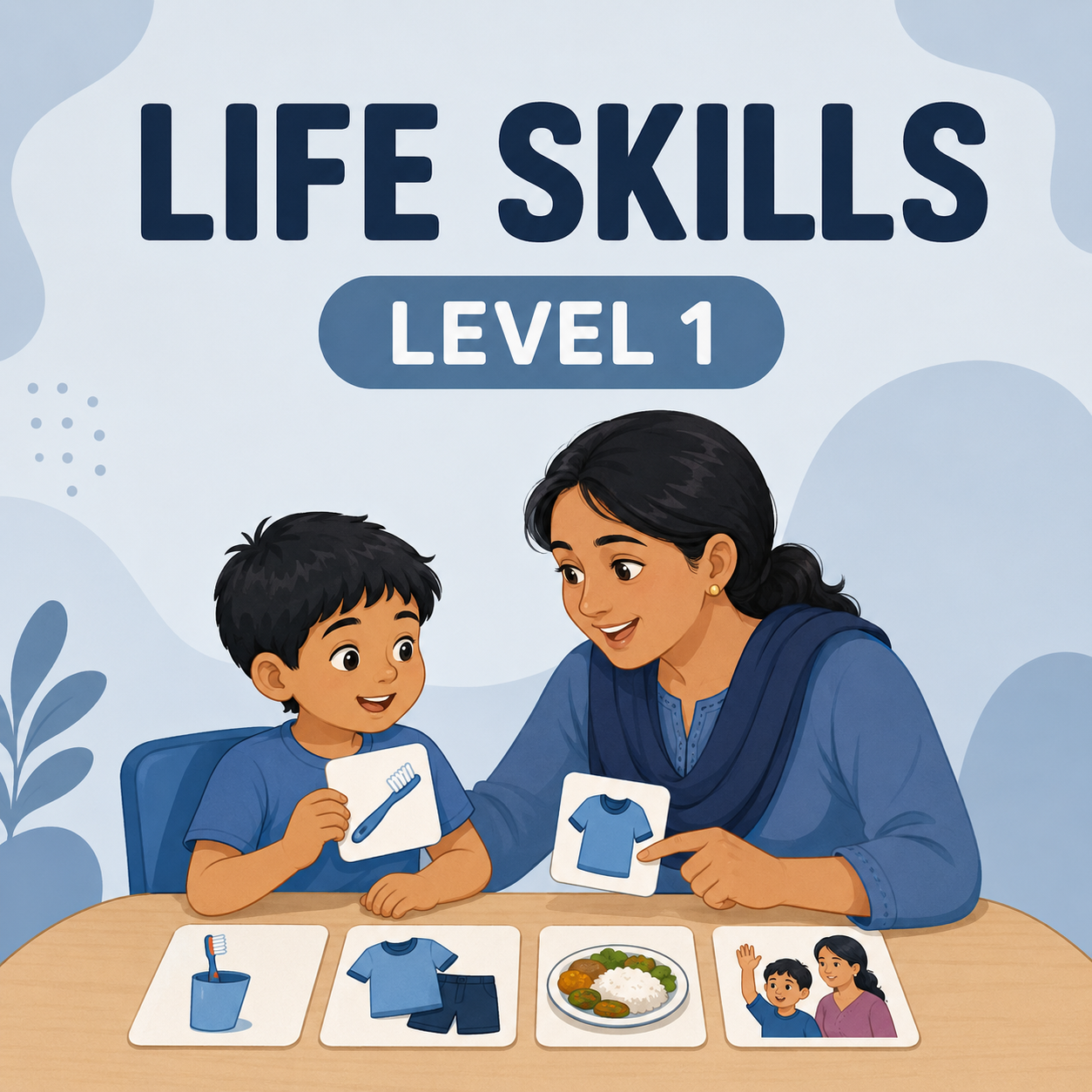 Live · Level 1
Routines, hygiene, safety, familiar places and daily participation.
Explore Life Skills →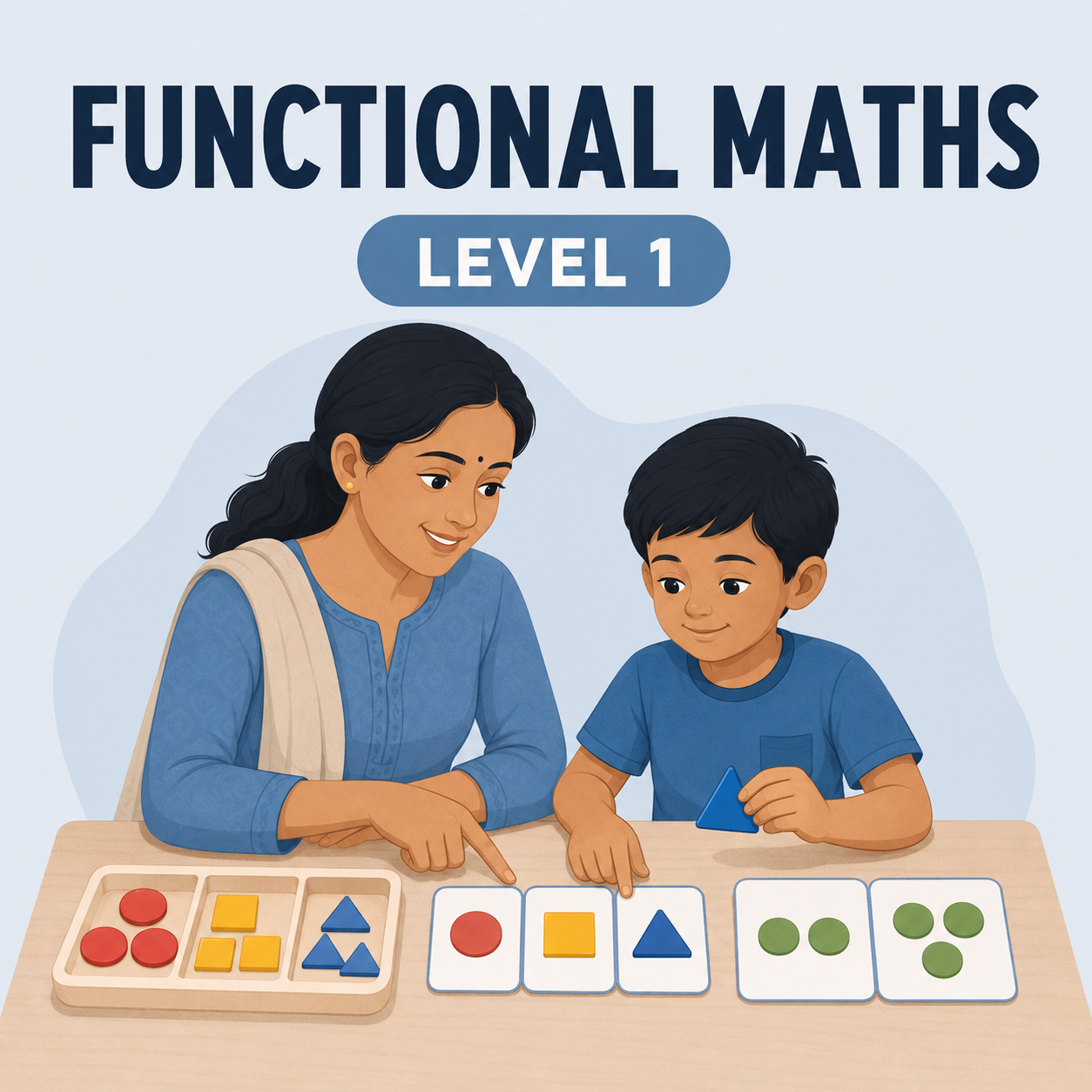 Live · Level 1
Matching, sorting, quantity, number sense and early money concepts.
Explore Functional Maths →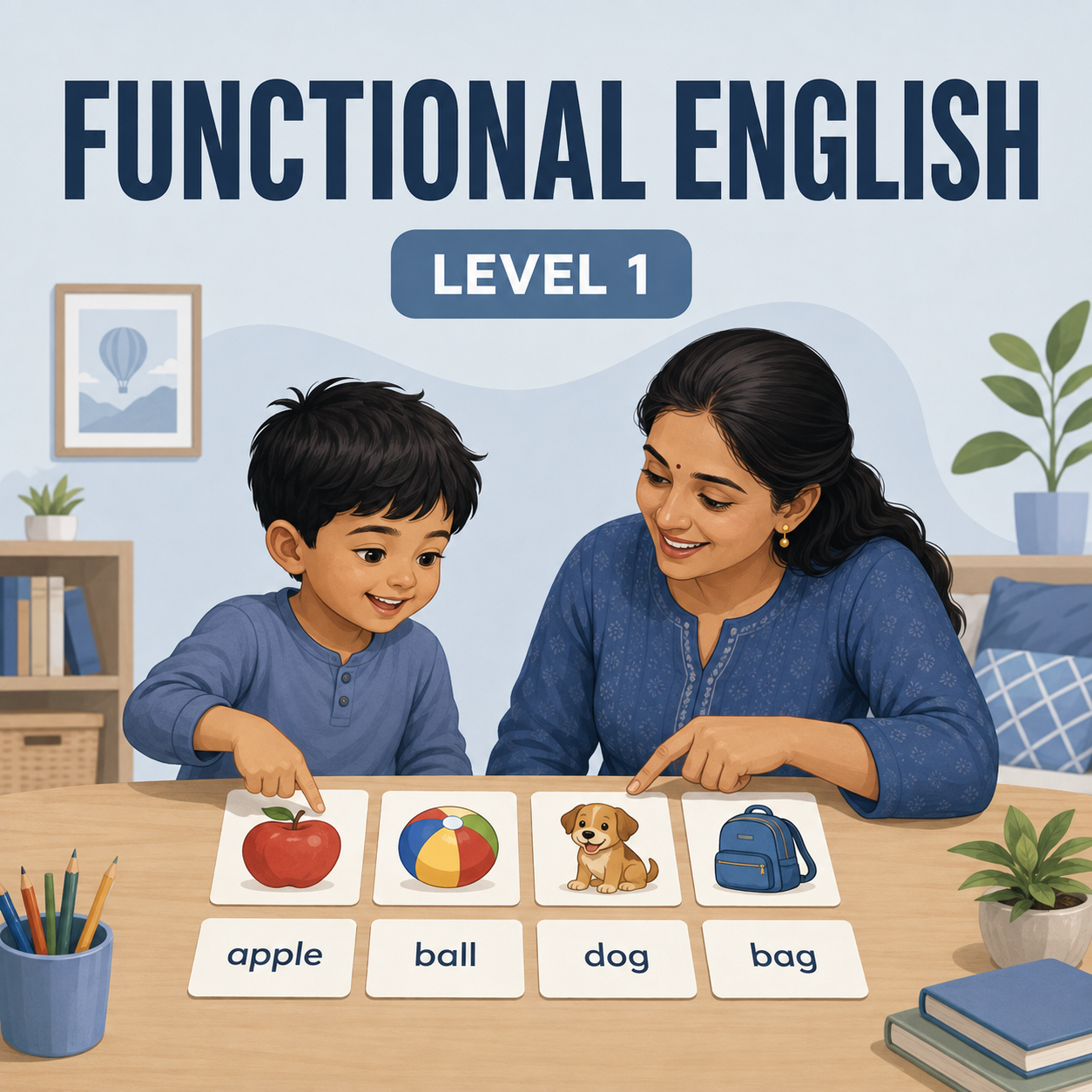 Live · Level 1
Picture-based word recognition, signs, actions and useful literacy foundations.
Explore Functional English →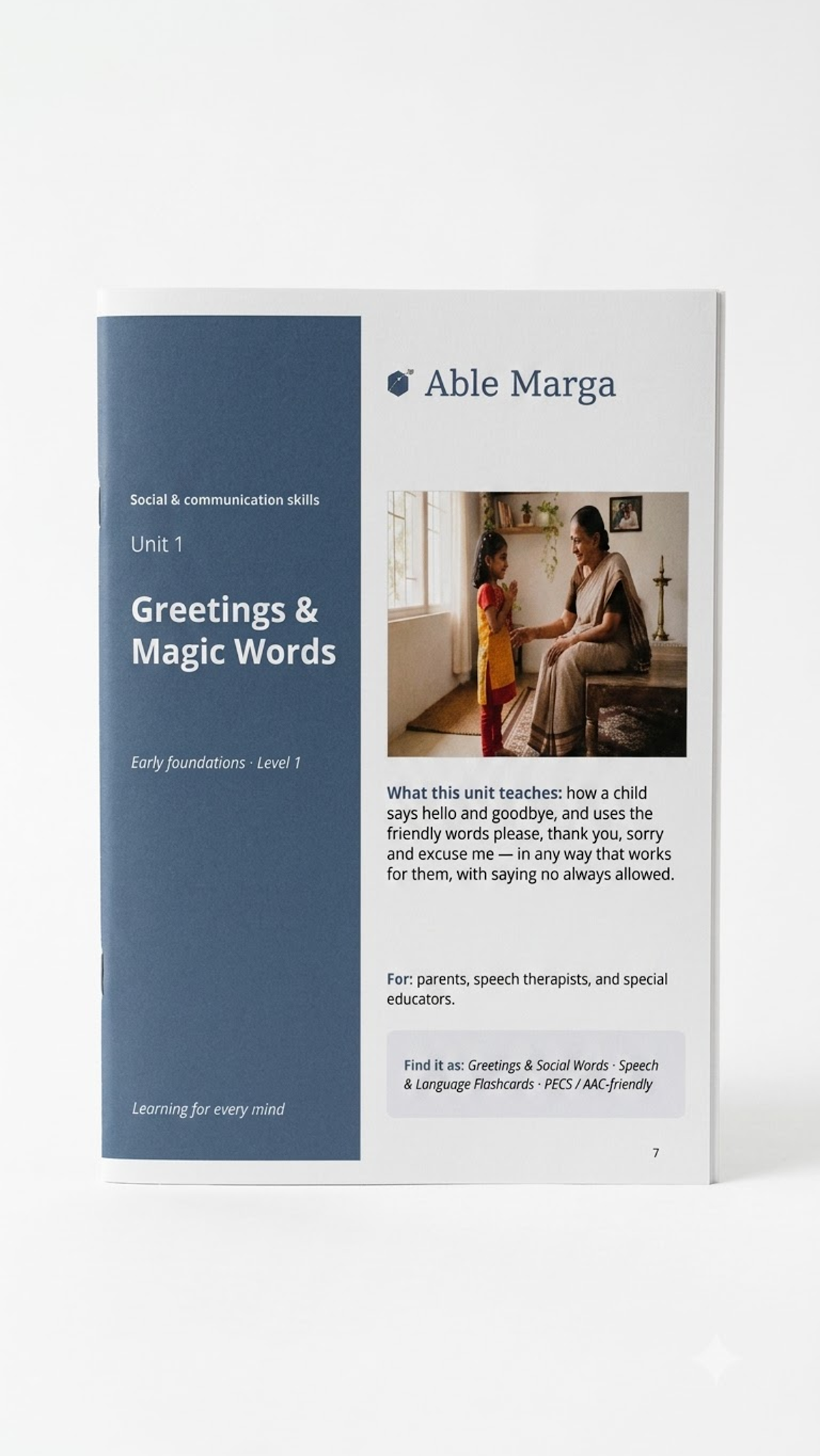 Live · Level 1
Requests, choices, feelings, WH questions, sequencing and everyday interaction.
Explore Social & Communication Skills →A worksheet can introduce or practise a concept, but the useful test is whether the learner can use that skill beyond the printed page. Build short follow-up moments into the classroom day.
Communication: move from a picture choice to requesting the actual item or activity.
Life Skills: move from sequencing cards to participating in the real hygiene or classroom routine.
Maths: move from matching or quantity work to real objects, snack portions, classroom materials or simple money situations.
English: move from picture-word recognition to labels, signs and useful words around the learner’s environment.

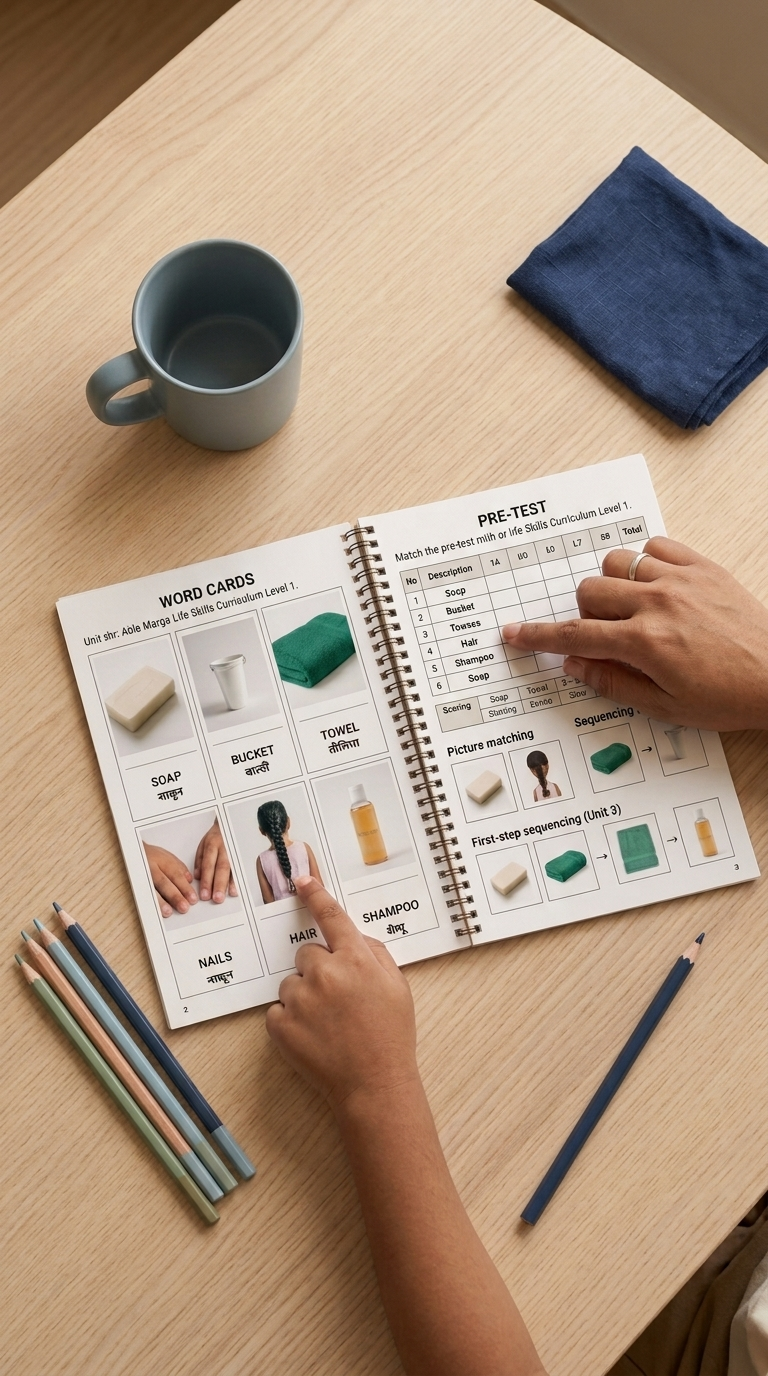
Start with one live Level 1 subject, use the Placement Guide to choose an ability-based starting point and build your classroom library around the functional targets your learners actually need.