
Ask ten Indian schools what special needs education means and you will get ten answers — a resource room, a shadow teacher, a separate section, or a polite suggestion that you look elsewhere. The law is clearer than the practice, and knowing the difference is what lets you ask for the right thing.
What is special needs education?
Special needs education is teaching adapted to learners with disabilities or additional learning needs, through modified curriculum, adjusted teaching methods and classroom support. In India it is governed by the Rights of Persons with Disabilities Act 2016, which provides for free education up to age eighteen for children with benchmark disabilities.
The three routes a child can take
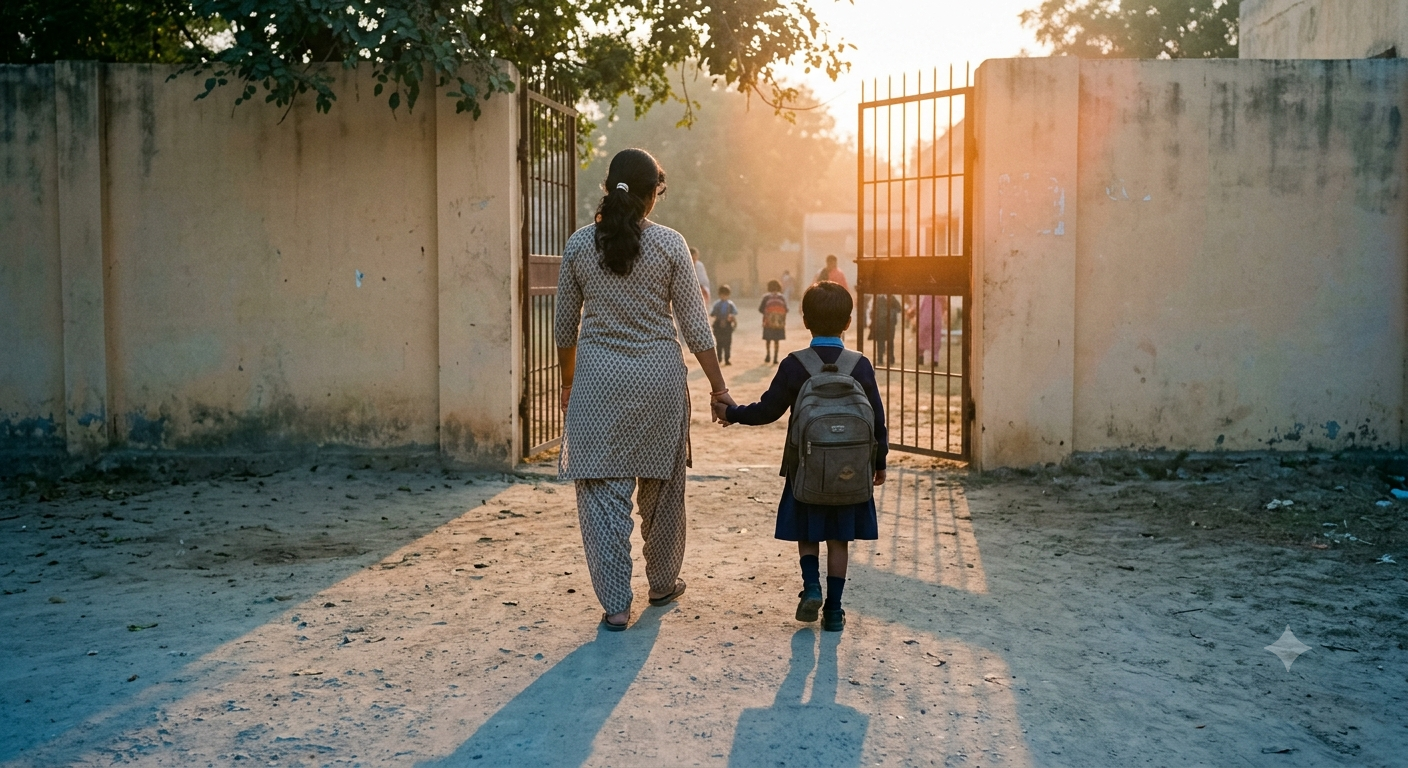
Inclusive mainstream. Your child attends a regular school with adjustments — extra time, a shadow teacher, modified work. Works well when the school genuinely commits and the child can access the social environment.
Special school. Smaller groups, staff trained in disability, a functional rather than academic focus. Often better for children with significant support needs, though it means less contact with typically developing peers.
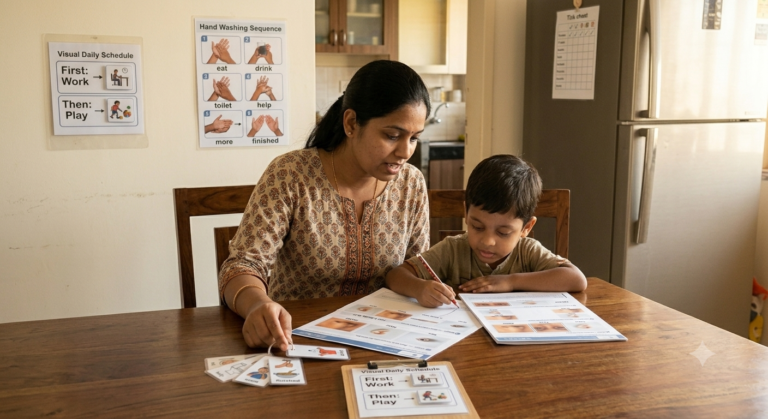
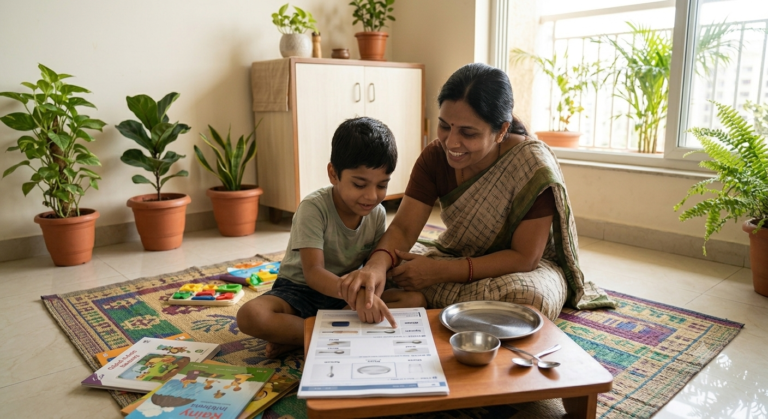
Home-based learning. Increasingly chosen by Indian families, either because no suitable school exists nearby or because the school on offer is not actually adapting anything. Structured printable curricula make this workable for parents without teaching qualifications.
None is automatically superior. The right answer depends on your child and, honestly, on what is genuinely available where you live.
What the law provides
Under the RPwD Act 2016, children with benchmark disabilities have provisions for free education, reserved seats, and reasonable accommodation. Twenty-one disabilities are recognised, including autism, intellectual disability, specific learning disabilities and cerebral palsy.
Rights on paper and provision on the ground differ. Implementation varies enormously by state, board and individual school. Ask the school specific questions in writing — how many special educators do you employ, what adjustments will my child receive, who reviews progress — rather than accepting a general assurance that they are inclusive.
What good practice actually looks like
- An individual plan with measurable goals, reviewed regularly
- Work modified in difficulty, not just given extra time
- Visual supports used in the classroom as a matter of course
- Staff who have had real training, not a one-day workshop
- Communication with parents that is routine rather than crisis-driven
- Progress measured against the child’s own baseline
Questions worth asking any school
- How many children with similar needs do you currently teach?
- Who writes and reviews my child’s plan, and how often?
- What specific adjustments will be made to classwork and exams?
- Is a shadow teacher permitted, and who pays?
- How will you tell me whether my child is progressing?
The quality of the answers tells you more than any brochure.
What parents can do at home regardless
Whatever route you choose, home teaching multiplies it. Twenty structured minutes a day, on one skill, with a record of what happened, will often produce more visible progress than a term of unmodified classwork. It also gives you data — and a parent with data is much harder to dismiss at a school meeting.
Frequently asked questions
Can a school refuse admission because of my child’s disability?
The RPwD Act 2016 provides for admission rights for children with benchmark disabilities. If you are refused, ask for the reason in writing and raise it with your district education office.
Is a special school better than mainstream?
Neither is universally better. Judge each specific school by what it will actually provide for your child.
Do I need a disability certificate to access these rights?
Most statutory provisions apply to children with certified benchmark disabilities, so the certificate matters.
Able Marga is a structured, India-made functional curriculum designed so parents can teach at home without special training.