Life Skills
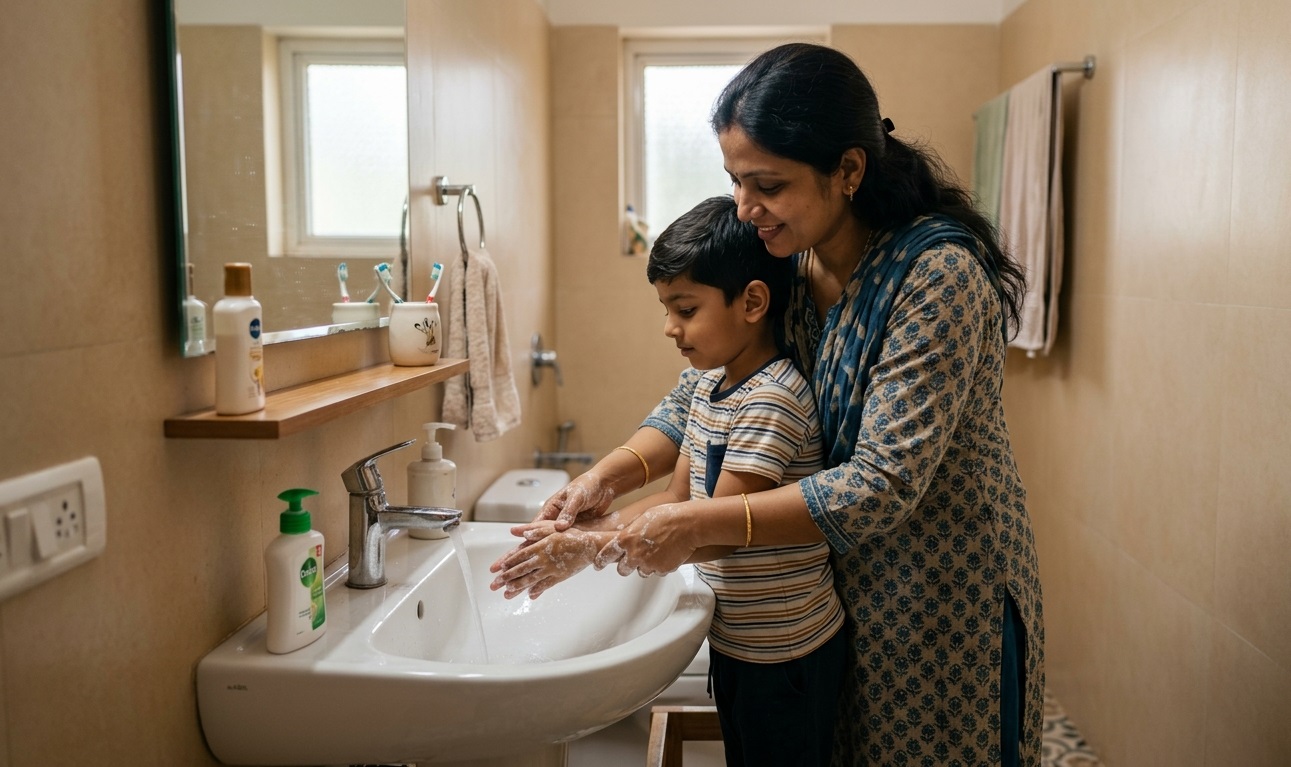
Daily routines, hygiene, safety, home participation and asking for help.
All four Level 1 subjects are live — structured printable PDFs for functional learning. Explore Level 1 →
The story behind Able Marga
A parent’s search for respectful, structured learning grew into practical resources for families, educators and therapists.
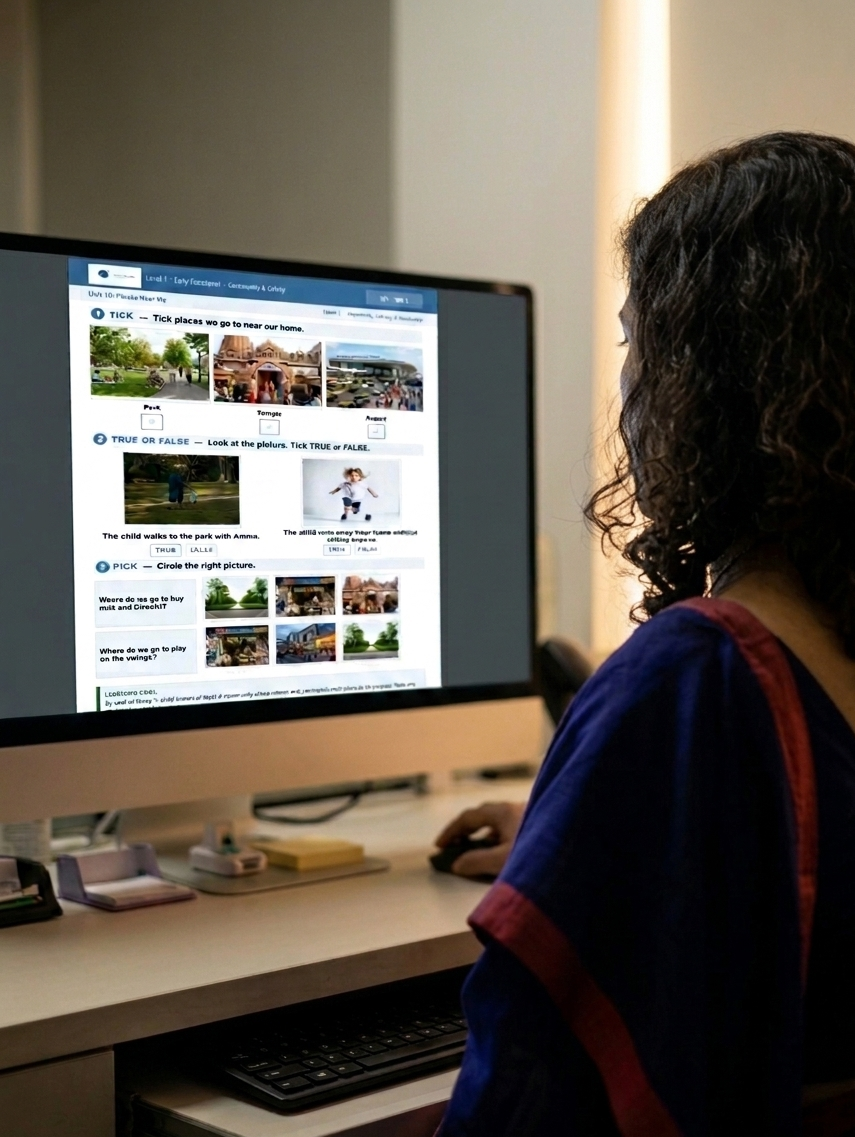
Able Marga was born from one mother’s search for a respectful, structured way to help her autistic son learn at his own pace.
My son, now 21 years old, is autistic. Like many parents of children with special needs, I spent years trying to help him fit into a traditional education system that was never designed for the way he learned. The pace was overwhelming, expectations were rigid, and much of the curriculum had little connection to the skills he needed for daily life.
Over the years, I have worked closely with children and adults with autism, cerebral palsy, intellectual disabilities and other developmental differences, while continuing my studies in Special Education. Able Marga grew from that combined experience—as a mother, a builder and a lifelong learner.
“My goal is simple: to create an ecosystem where families have choices for their special needs for them to lead a fully functional and fulfilling life beyond traditional academics.”SP · Founder, Able Marga
Why Able Marga exists
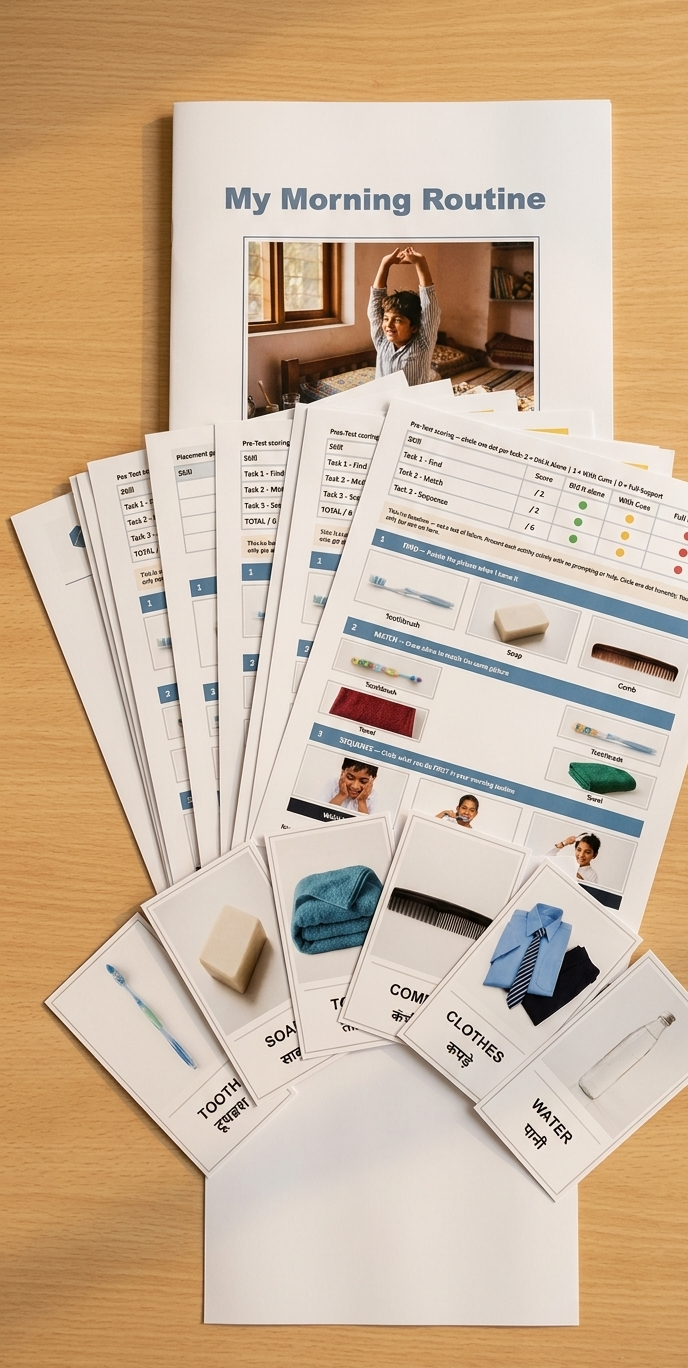
Families often find scattered worksheets, unfamiliar examples or activities that assume speech, reading and handwriting. Able Marga brings those disconnected pieces into a structured, culturally familiar learning path.
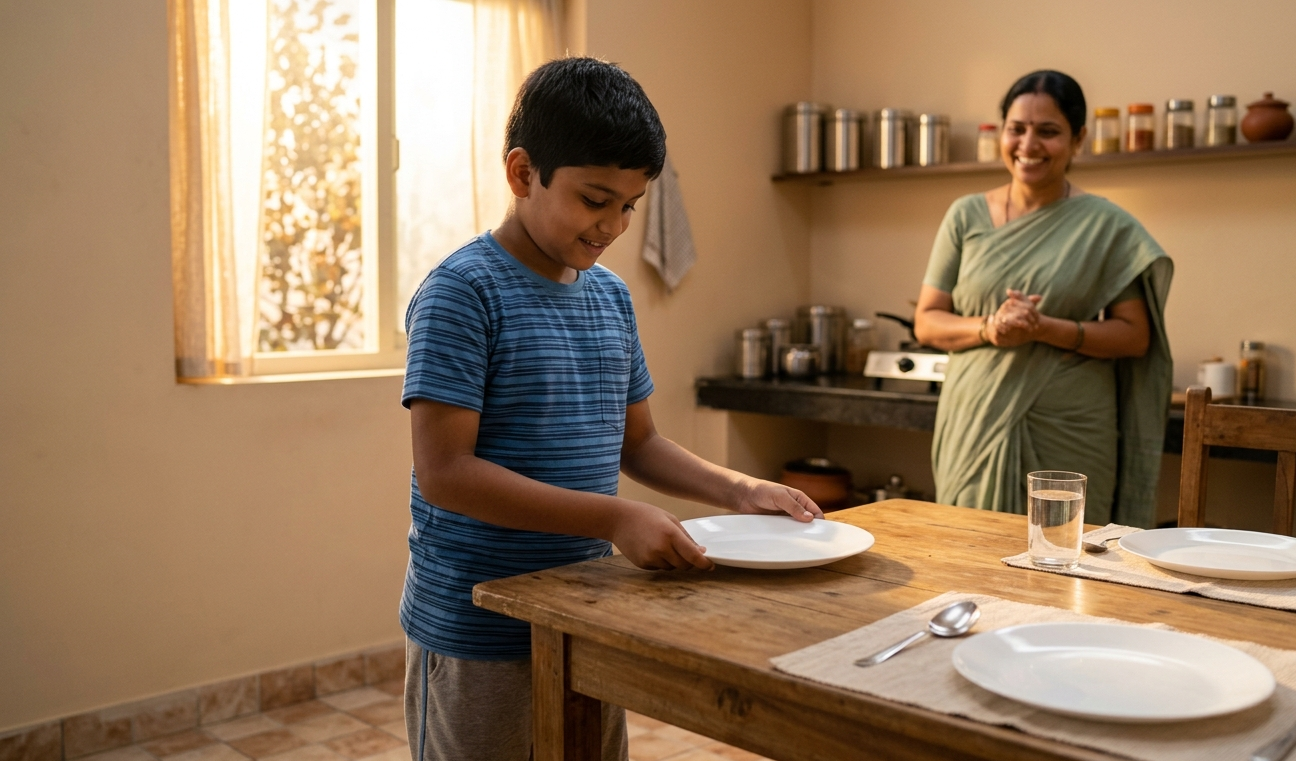
The curriculum focuses on functional academics: knowledge that supports communication, routines, safety, participation and everyday independence. It can also give homeschooling parents a clearer plan instead of asking them to assemble random activities on their own.
Daily routines, hygiene, safety, home participation and asking for help.
Matching, sorting, number sense, quantities, money and practical numeracy.
Useful words, signs, symbols, picture reading and everyday literacy.
Requests, choices, emotions, questions, sequencing and turn-taking.
The So-Hum connection
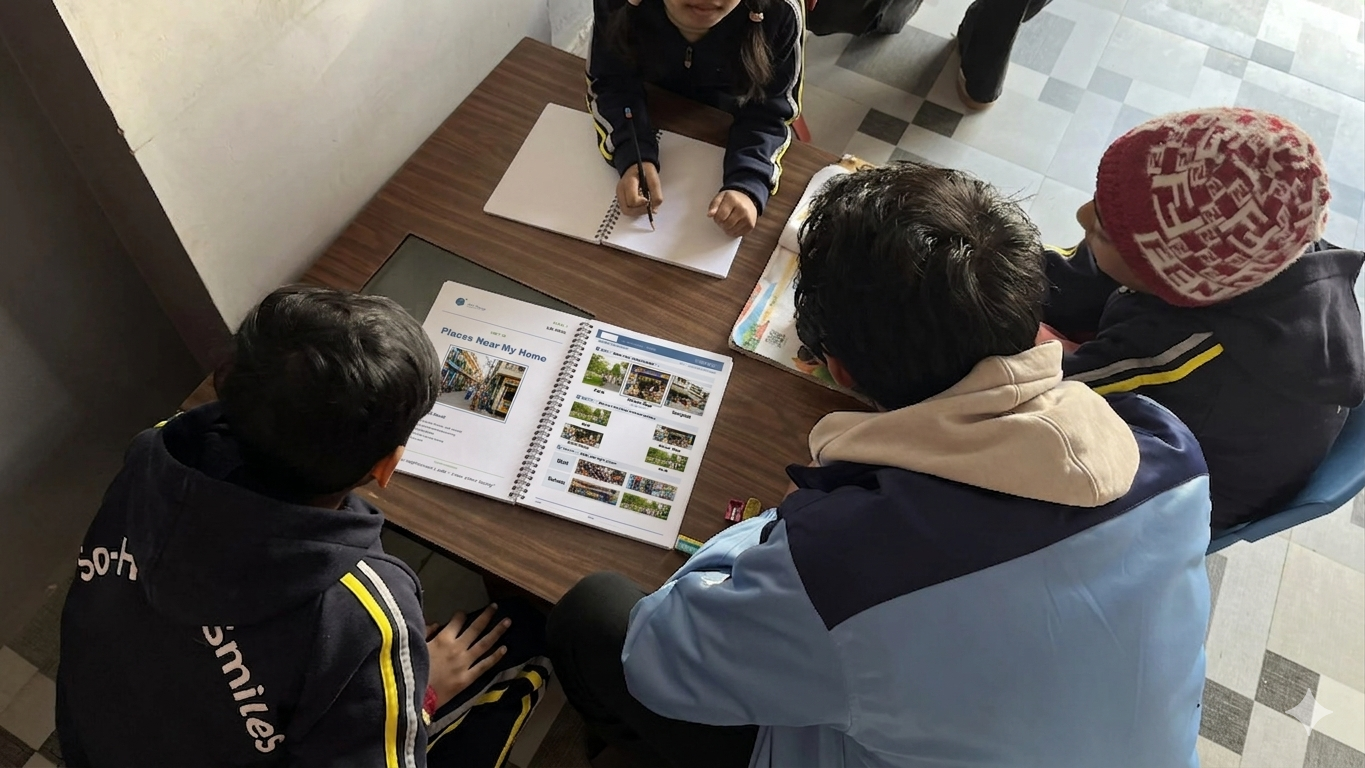
Able Marga works alongside So-Hum Special School in India. Practical classroom use and educator feedback help improve how instructions, visuals, response choices and activity progression work for learners with different support needs.
This connection keeps the curriculum close to daily teaching—what learners understand, where adults need clearer guidance and how a skill can move from a printable page into real life.
How we design learning
Every design choice has a practical purpose: make the task easier to understand, offer the right level of support and help the learner become more independent over time.
Choose the learner’s starting point by what they can do now—not only by age or school grade.
Offer enough support for the learner to understand and respond correctly before reducing help.
Move from more support to less support as the skill becomes familiar and confidence grows.
A learner may point, match, place a card, gesture, sign, speak, write or use AAC.
Break routines into manageable steps and build one clear part at a time.
Carry learning beyond the page into routines, choices, conversations and community settings.